

There has been a lot of discussion about humility, empathy, and how they are key factors to effective leadership. This has been especially true as I surf posts on LinkedIn and discussions in the classroom.
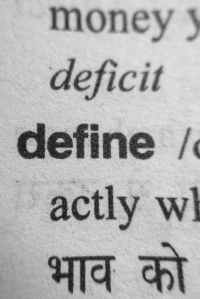
I feel it is time to throw in my two cents. Not only do I wish to define leadership, but I wish to express why it matters.
Humble leaders guide their team using humility, openness, empathy, self-awareness, accountability for their mistakes, and exude passion.
They are who their employees strive to become. They don’t just motivate, but they build passion within the people they guide.
I like to think of it like this:
A true leader gives their employees a reason to want to do their best at work.
What is Humble Leadership?
By the definition I shared, those qualities exemplify a humble leadership approach. That is not where these traits stop, though. Pulling directly from The Oxford Review1, humble leaders:
- Value diversity.
- Value different forms of contribution.
- Value feedback and ideas from their team.
- Admit their mistakes.
If I were to add to this list, I personally believe that a humble leader also:
- Personally invests in every subordinate.
- Enlists transparency through honesty.
- Takes the time to talk and listen actively.
- Expresses a professional friendship approach.
- Mentors and encourages personal growth in their team.

Why Does This Matter?
I can almost feel the uproar. Some of you are getting ready to start writing furiously in the comments, “We don’t treat our employees like friends!”
I am aware that aspect is controversial. Let me explain.
- We help friends when they need help.
- We listen when necessary.
- We greet with enthusiasm when crossing paths.
- We express gratitude for their contributions in our life.
Now, can you say that a professional friendship should be controversial? Or should this be the standard?
Leaders are in the profession of people. Sure, there is a lot more to the task, no matter your level of management. Ultimately, you lead people. Your leadership should inspire them to want to help you, in turn the company, succeed.
It generates loyalty in the same way a good advertising campaign and quality products can generate brand loyalty.

So, How Can You Become a Humble Leader?
It starts with empathy. Your empathy for your team will also build empathy within your team. What you exude will reflect back to you. Through empathy, connections start to build between you and your team. They also learn to build those connections with each other.
It also provides a feeling of safety when they need to use your open-door policy. Suddenly, you’ll find people wish to communicate problems with you. They don’t hide their resentments because you care and will guide them as needed.
If I were to list the traits to learn, it would look like:
- Empathy
- Active Listening
- Accountability
- Altruism
- Gratitude
- Prioritizing Others Above Ego
- Openness to Opposing Viewpoints
The best part of all, these traits can be learned. While many of them do come naturally to some, it doesn’t rule everyone out. Anyone can become a humble leader in their own business or organization.
The positivity you share will come back through the morale of your employees. This reinforces your personal growth as you continue learning these skills.

What Should You Avoid?
The workplace isn’t always an easy environment. Tensions can, and often will, run high. In these moments of stress, there are a couple things you should remember:
- Avoid ingenuous humility.
- Balance confidence and humility, don’t over power one for the other.
- Use humility, even under pressure.
A lot of this can be controlled through stress management and mindfulness techniques. Be mindful of others and their struggles. This will allow you to step out of your own stress to express genuine humility in the situation. Most importantly:
Don’t fake it.
People can tell when your humility is not real. It comes through and destroys loyalty. This is when being transparent benefits you instead. Honestly, explaining without detail, there is pressure on you to handle a certain situation will create a bond.
Now I challenge YOU.
It is your turn to stop and reflect on your abilities. Are you implementing humility into your leadership skills? Tell me how this has worked for you!
If you liked this week’s piece on Humble Leadership, then you will love Mind Your Business. It is a newsletter for small and home-based entrepreneurs to learn the important skills to build a successful business. Memberships start at just $5/mo. They include necessities that help a business like yours reach its full potential!
Credits and Resources
links open in a new window
- A Review of Humble Leadership. The Oxford Review. ↩︎
Feature Photo by Anna Tarazevich on Pexels.com
Other photos by order of appearance:
Ravi Kant on Pexels.com
Luke Webb on Pexels.com
Ann H on Pexels.com
RDNE Stock project on Pexels.com
 Angela J Shupe—Stitched Business Solutions
Let’s Discuss